
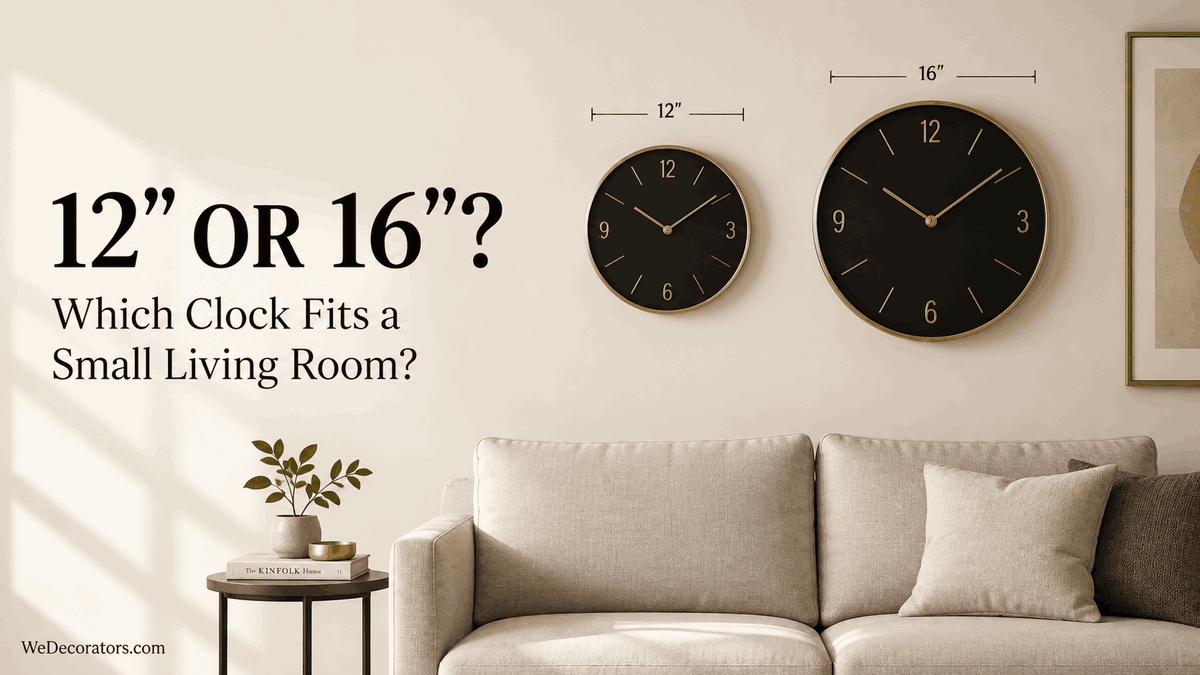
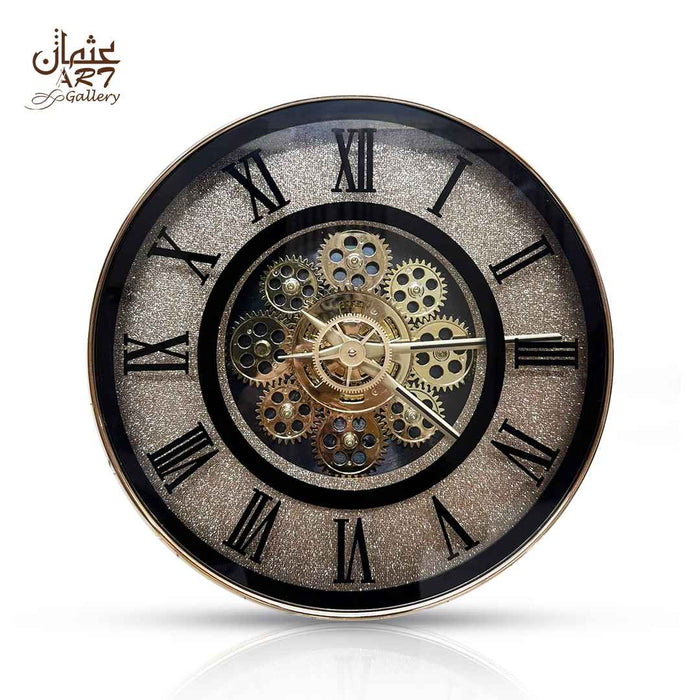
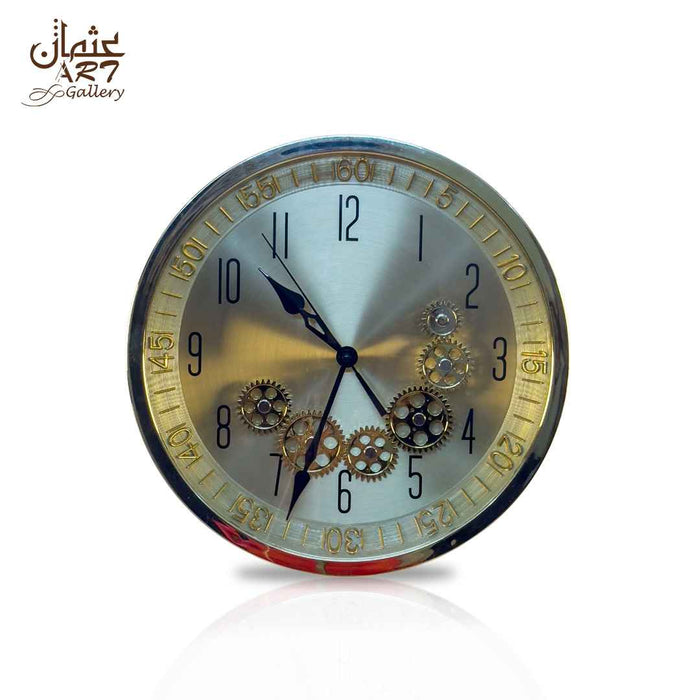
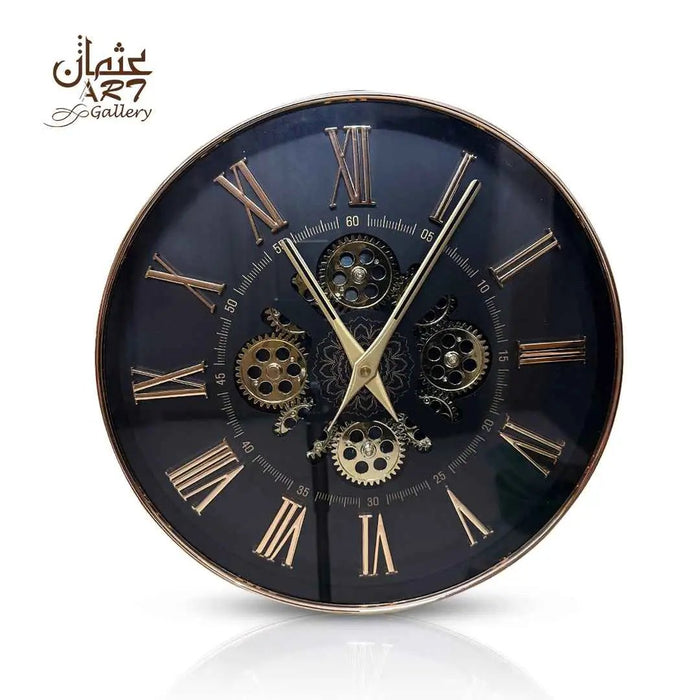
For many compact living rooms, a wall clock around 12 to 16 inches is a sensible starting range. However, the best wall clock size for small living room spaces depends more on the usable section of wall, nearby furniture and the clock's visual weight than on floor area alone. A 12-inch clock can suit a narrow wall or compact arrangement, while 14 to 16 inches can create better presence where there is more blank space.
Before ordering, measure the exact wall zone and reproduce the proposed clock size with removable tape or a paper template. This simple check is usually more useful than relying on a universal room-size formula.
Key Takeaways
- For many compact living rooms, 12 to 16 inches is a useful starting range rather than a fixed rule.
- A 12-inch clock can work well on narrow wall sections, above compact furniture or where other wall décor is already present.
- A 14 to 16-inch clock usually creates noticeably more wall presence without automatically becoming oversized.
- Use the available wall section, not total room square footage, as your main sizing reference.
- Frame thickness, colour, Roman numerals, decorative gears and other details can make two clocks with the same diameter look very different in scale.
- Measure the wall and furniture, then mark the proposed clock outline before drilling.
- A wide sofa can make a small clock look undersized even inside a small living room.
- Large clocks can work in compact rooms when they have a clear wall and enough surrounding negative space.
What Is the Best Wall Clock Size for a Small Living Room?
For a typical compact living room, roughly 12 to 16 inches is a useful range to test first. Choose towards 12 inches when the available wall is narrow or already contains other décor. Consider 14 to 16 inches when the clock needs more presence on a relatively clear wall.
This is a starting framework, not a universal interior-design formula. A small room can contain a surprisingly broad blank wall, while a larger room may only offer a narrow section between a doorway, television unit or shelving.
Therefore, select the clock according to the usable wall zone first. You can use our complete wall clock size guide when you need broader guidance for other rooms.
Why Wall Clock Proportion Matters More Than Room Size Alone
Two living rooms with similar floor areas can need different clock sizes. Furniture placement, doors, windows, televisions and shelving change the amount of wall that is actually available.
Usable wall space
Do not measure the entire wall if only part of it can hold the clock. Instead, measure the clear section between the objects that visually define the area, such as a doorway and shelf or the edges of a console arrangement.
A 12-inch clock may appear appropriately proportioned inside a 36-inch-wide wall section, yet the same clock can appear isolated on a large blank feature wall.
Furniture scale
Furniture changes the visual reference point. A two-seat sofa, compact console or shelving unit can make the clock feel connected to the room when its scale is reasonably balanced with the object below it.
This is particularly important above seating. A clock that works perfectly beside a doorway may look too small when placed alone above a broad sofa. For wider living-room selection guidance, see our guide to choosing a living-room wall clock.
Viewing distance and visual weight
The clock also needs to remain readable from the place where you normally sit. Fine hands or small markers can become difficult to distinguish across the room even when the overall clock diameter looks proportionate.
Finally, consider visual weight. A black clock with a thick frame, Roman numerals and detailed decorative elements can attract more attention than a simple clock of the same physical width.
Small Living Room Wall Clock Size Guide
The following table is an editorial starting framework rather than a fixed rule. Use it to narrow your options, then test the proposed size on the actual wall.
| Clock Size | Where It Can Work | Likely Visual Effect | Check Before Buying |
|---|---|---|---|
| 10 to 12 inches | Very narrow wall, compact corner, existing gallery arrangement | Restrained and functional | May look lost on a broad empty wall |
| 12 to 14 inches | Compact wall, small console, apartment living room | Noticeable without demanding much wall space | Check furniture width and viewing distance |
| 14 to 16 inches | Clear small-room wall or stronger single-clock arrangement | Greater decorative presence | Detailed designs may look visually larger |
| 16 to 20 inches | Wider blank wall or feature area in a compact room | Stronger focal point | Leave generous negative space around it |
| 20+ inches | Unusually broad, uncluttered feature wall | Statement scale | Mock up the exact dimensions before purchasing |
The central lesson is that small room does not automatically mean smallest clock. A moderately sized focal point can sometimes look calmer than several undersized decorative objects competing on the same wall.
Is a 12-Inch Wall Clock Good for a Small Living Room?
Yes. A 12-inch wall clock can suit a small living room when the wall itself is compact, the clock is viewed from a reasonable distance or other décor already occupies part of the area. It is especially useful when you want the clock to remain practical rather than dominate the room.
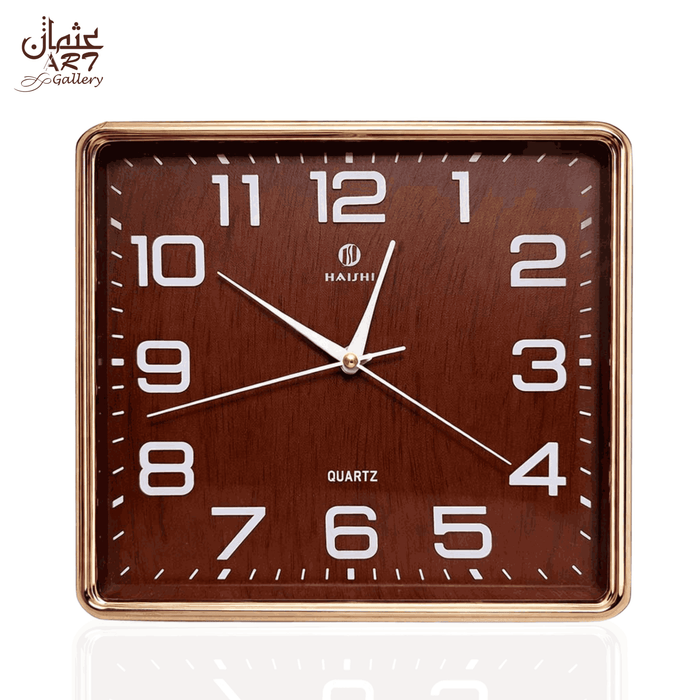
WeDecorators' Haish Square Quartz Wall Clock provides a concrete example. Its listed dimensions are 12 × 12 inches, so you can reproduce that exact square outline on your wall before ordering.
Remember that a 12 × 12-inch square and a 12-inch-diameter round clock share the same maximum width but do not occupy exactly the same visual area. Shape therefore matters as well as the number printed in the specification.
12 Inch vs 16 Inch Wall Clock for a Small Room
Choose 12 inches when the clock needs to fit a narrow wall, sit near other décor or remain visually restrained. Move towards 16 inches when the wall is clearer, the viewing distance is longer or the clock needs to function as a stronger focal point.
| Factor | 12 Inches | 16 Inches |
|---|---|---|
| Physical width | 30.48 cm | 40.64 cm |
| Wall presence | Compact | Noticeably stronger |
| Narrow wall | Often easier to place | Needs more breathing room |
| Above furniture | May suit small furniture | Often relates better to wider furniture |
| Decorative detail | Can still feel substantial if visually heavy | Can become dominant if highly detailed |
Four inches does not sound like a dramatic difference, but the overall footprint changes considerably. Do not make the decision from the product thumbnail alone.
If you want a deeper diameter comparison, use our guide to 12 vs 16 vs 20-inch wall clocks.
Use the Measure → Match → Mock Up → Position Method
A simple four-step process is more useful than trying to memorise one percentage.
Measure
Measure the usable wall width and height. Exclude areas interrupted by doors, shelving, curtains, television screens, switches or other fixed elements.
Match
Compare the proposed clock dimensions with the sofa, console or other furniture that visually anchors the wall. The aim is not a mathematically exact ratio. You are checking whether the two objects look intentionally related rather than disconnected.
Mock Up
Use removable painter's tape, masking tape or a paper template to reproduce the clock's full outside dimensions. For a round clock, create the approximate diameter. For a square model, mark both width and height.
Then sit in your normal viewing position. A size that looked large while standing directly beside the wall can appear much smaller from the sofa.
Position
Only after the footprint looks balanced should you decide the exact mounting point. Check eye level, furniture clearance, readability and surrounding negative space before drilling.
How to Measure Your Wall Before Choosing a Clock
- Identify the real wall zone. Decide which section will visually contain the clock.
- Measure its clear width. Ignore wall space blocked or visually separated by furniture and architectural features.
- Measure furniture underneath. Record the sofa, console or cabinet width if the clock will sit above it.
- Shortlist two clock sizes. For example, compare 12 and 16 inches rather than guessing from an ecommerce photograph.
- Mark both sizes. Reproduce the outside dimensions with removable tape or paper.
- View them from the sofa. Check scale and readability from your normal seating position.
- Check surrounding space. Make sure the clock does not crowd shelves, lights, frames or doorways.
- Choose the better composition. Then confirm the fixing position and mounting requirements.
This process also helps reduce the distortion caused by lifestyle photographs, which can make products look larger or smaller depending on camera angle and furniture scale.
What Size Wall Clock Should Go Above a Sofa?
Above a sofa, the clock should have enough visual presence to relate to the seating without crowding it. A 12-inch clock may suit a compact two-seat sofa or a grouped wall arrangement, while a larger clock can work better when the sofa is broad and the wall is otherwise empty.
The important reference is the sofa and the clear wall above it, not simply the living room's floor area. If this is your intended location, use our dedicated guide to wall clock size above a sofa rather than duplicating all of the furniture-sizing rules here.
Visual Weight: Why Two Clocks of the Same Size Can Look Different
Physical size tells you how much wall a clock occupies. Visual weight tells you how strongly the clock attracts attention.
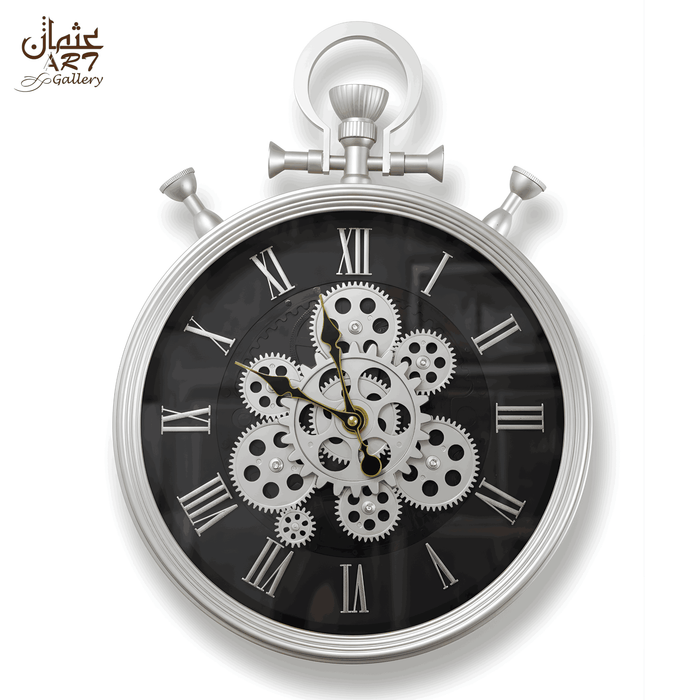
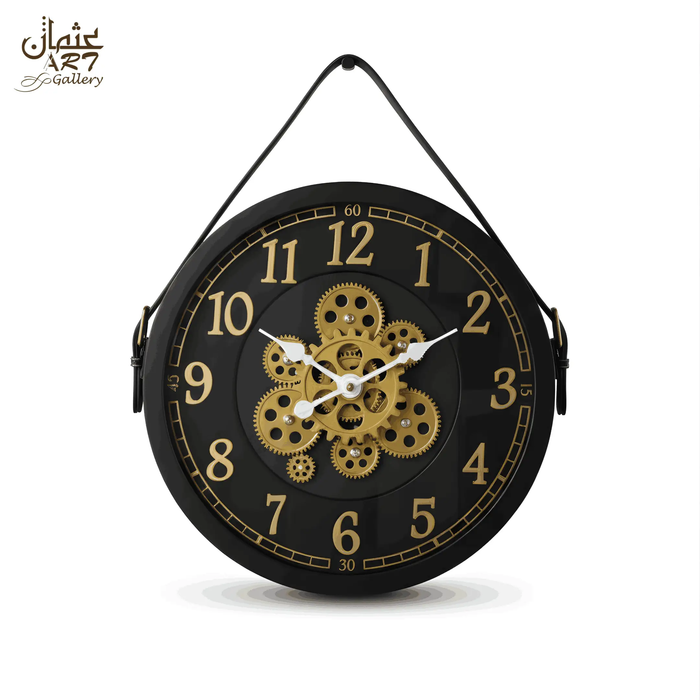
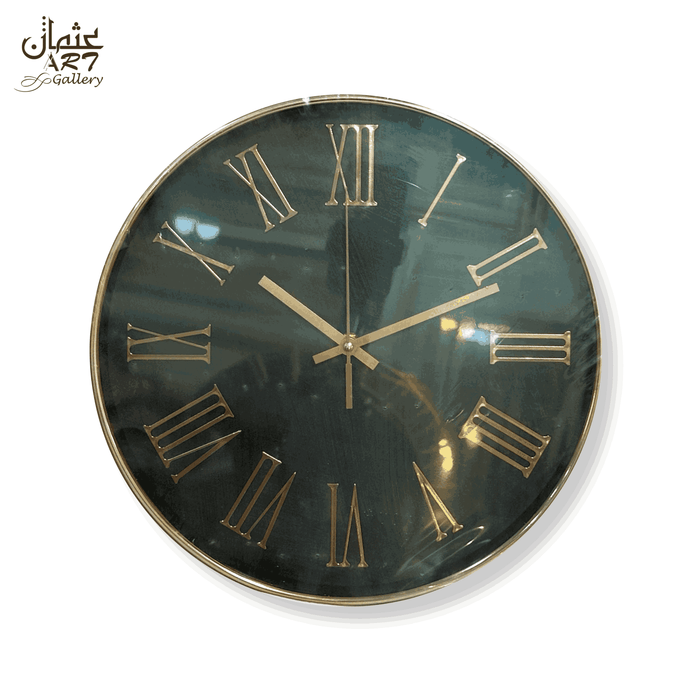
Consider two 13-inch clocks. One has a thin outline, a pale face and limited detail. The other uses black and gold, large Roman numerals and a decorative centre. Although their outside measurements may be similar, the second design can feel considerably more prominent.
Visual weight usually increases with:
- thicker frames
- dark or high-contrast colours
- large numerals
- dense decorative details
- metallic highlights
- gear-inspired elements
- layered frames
- strong geometric outlines
Open designs and thin frames can have the opposite effect because more of the wall remains visible.
This distinction matters in a compact room. You may not need a larger diameter if the selected design already has substantial decorative presence.
Which Clock Shapes Work Well in Compact Living Rooms?
Round clocks are easy to integrate because the curved outline leaves visible wall around the corners of their footprint. Square clocks can feel more structured and may occupy more visual area within the same maximum width.
Open-frame clocks allow the wall colour to remain visible and can therefore feel lighter. In contrast, a solid dark face or heavily decorated frame can look more dominant.
There is no universally better shape for a small room. Instead, judge the full outline and visual density of the specific product.
Where Should You Hang a Wall Clock in a Small Living Room?
Place the clock where it can be read from the primary seating area and where it has a clear relationship with the furniture around it. Suitable locations can include an open wall, above a compact console or above a sofa where the proportions work.
For an unobstructed wall, comfortable eye level is a useful starting point. Furniture may change the final height, so avoid forcing one floor measurement into every arrangement.
For a detailed placement process, read how high to hang a wall clock.
Wall Clock Sizes That Can Make a Small Room Feel Unbalanced
A clock becomes unsuitable because of context, not because a particular diameter is automatically wrong.
A small clock can look unbalanced when it floats alone in the centre of a broad empty wall. Moving to a slightly larger diameter or grouping the clock intentionally with other décor can solve the problem.
At the other extreme, a large decorative clock can crowd a narrow wall when its outer frame nearly touches shelving, curtains or architectural features.
Other common mistakes include choosing the diameter before measuring the wall, ignoring the furniture below, judging scale only from a product photograph and forgetting that a detailed clock may look larger than its specifications suggest.
WeDecorators Clock Options to Consider for Compact Spaces
Haish Square Quartz Wall Clock
The Haish Square Quartz Wall Clock is listed at 12 × 12 inches. That verified footprint makes it particularly easy to mock up on a compact wall. Its square form should be measured as the full width and height rather than treated as a 12-inch circular diameter.
Resin Imported Clock
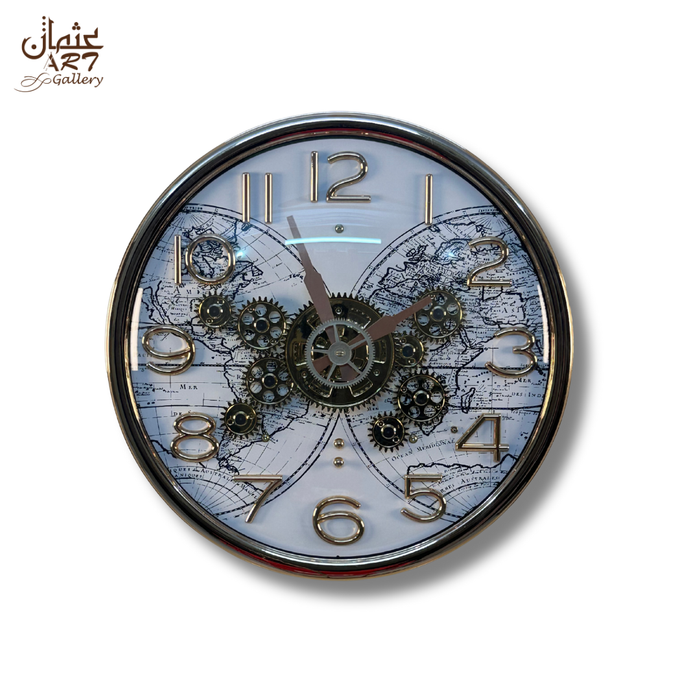
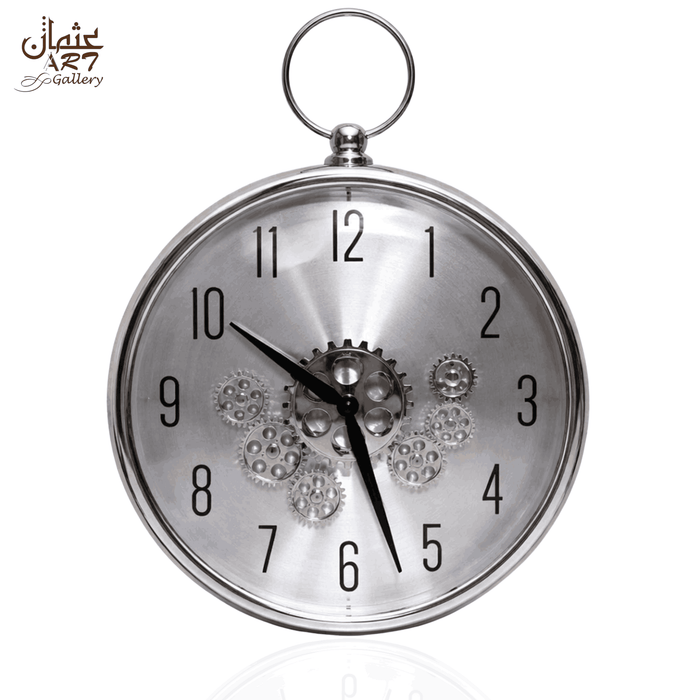
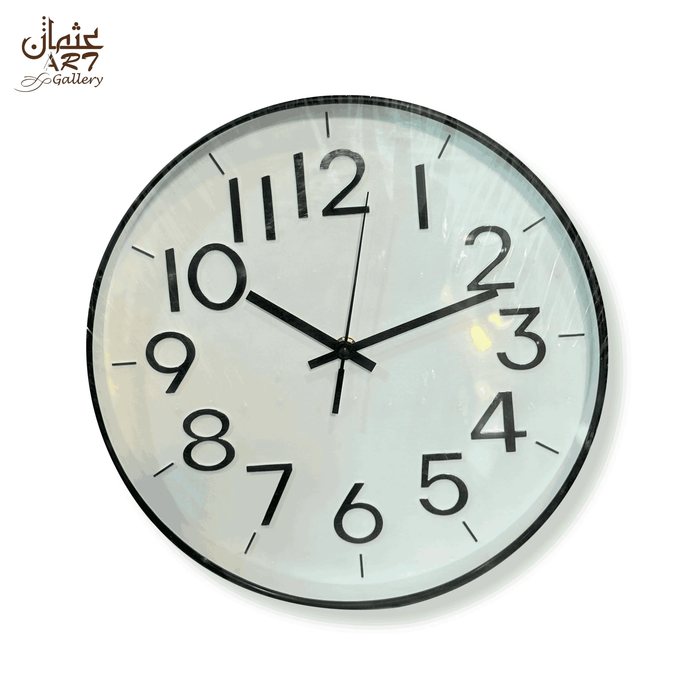
The Resin Imported Clock is currently listed at 13 inches in diameter. Because resin styling adds decorative detail, judge the physical diameter together with the visual impact of the selected finish.
Premium Gear Clock
The Premium Gear Clock is also listed at 13 inches in diameter and uses a black-and-gold Roman numeral design. This makes it a useful example of why a compact physical measurement can still create strong visual presence.
Once you know your approximate dimensions, you can explore the wall clock collection and compare each product against the measurements you recorded.
Quick Small-Living-Room Wall Clock Checklist
- Measure the usable wall rather than the entire room.
- Measure the sofa or console underneath.
- Choose two realistic clock sizes to compare.
- Check the complete outside dimensions.
- Consider visual weight as well as diameter.
- Mark the real footprint with removable tape or paper.
- View the mock-up from your normal seating position.
- Check numeral and hand visibility.
- Leave sufficient negative space around the clock.
- Confirm the hanging position before drilling.
Frequently Asked Questions
What size wall clock is best for a small living room?
For many compact living rooms, approximately 12 to 16 inches is a useful range to test first. Choose towards the smaller end for narrow or busy walls and towards 16 inches when the clock needs greater presence. Always check the exact wall zone, nearby furniture and visual weight before deciding.
Is a 12-inch clock big enough for a living room?
Yes, particularly in a small living room, on a narrow wall or where the clock is part of a larger decorative arrangement. However, a 12-inch clock can look undersized when placed alone above a broad sofa or in the middle of a large blank feature wall.
Is a 16-inch wall clock too large for a small room?
Not necessarily. A 16-inch clock can work well in a small room when the wall has sufficient open space and the design does not crowd nearby objects. A highly decorative 16-inch clock will usually feel more prominent than a visually light design of the same diameter.
How do I choose wall clock size?
Measure the usable wall, compare the clock with nearby furniture, reproduce its exact dimensions on the wall and inspect the mock-up from your normal viewing position. This is more reliable than choosing solely according to total room size.
How big should a clock be compared with the wall?
There is no universal percentage that works for every room. The appropriate proportion changes with furniture, wall shape, surrounding décor and visual weight. Use percentage rules only as rough styling references, then test the actual clock outline on the wall before purchasing.
What size clock should go above a small sofa?
The clock should have enough presence to relate visually to the sofa while remaining comfortably narrower than the overall seating arrangement. A compact sofa may accept a relatively small clock, but the final choice depends on how much clear wall surrounds it.
Can a large wall clock work in a small living room?
Yes. A larger clock can work as a deliberate focal point when the room contains a broad, uncluttered wall and limited competing décor. It becomes problematic when its frame crowds nearby objects or when its visual weight overwhelms the rest of the room.
Can a wall clock make a small room look smaller?
A visually heavy or poorly positioned clock can make a compact wall feel crowded, particularly when it sits close to shelving, curtains, artwork or other objects. However, a larger clock on a clean feature wall can also create one organised focal point rather than visual clutter.
Do square clocks look larger than round clocks?
They can. A square clock fills its corner areas, while a round clock leaves those areas visually open. Frame thickness, colour and face design still affect the result, so compare the complete outside shape rather than relying on width alone.
How high should a living-room wall clock be?
Comfortable eye level is a useful starting reference on an open wall. However, a sofa, console, clock diameter and normal seated viewing position can change the ideal height. Check the composition from the main seating area before fixing the clock permanently.
Final Recommendation
The best wall clock size for small living room spaces is not determined by one universal diameter. For many compact rooms, start by testing approximately 12 to 16 inches, then adjust according to the clear wall, furniture width, viewing distance and visual weight.
Use the Measure → Match → Mock Up → Position process before ordering. A few minutes with a tape measure and a paper outline can tell you far more than a lifestyle photograph.
Once you know which footprint suits your room, browse WeDecorators wall clocks and compare the listed dimensions with the space you have already measured.
