
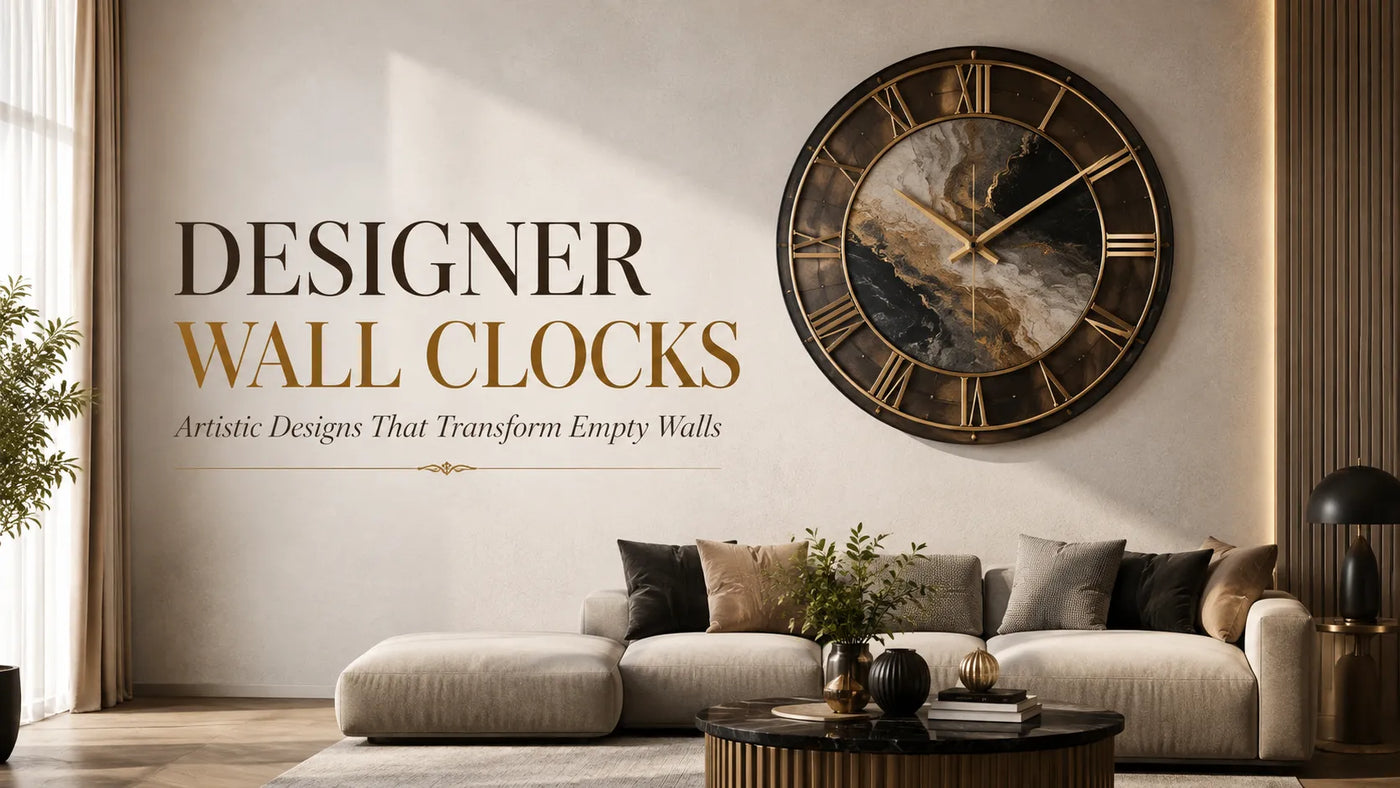
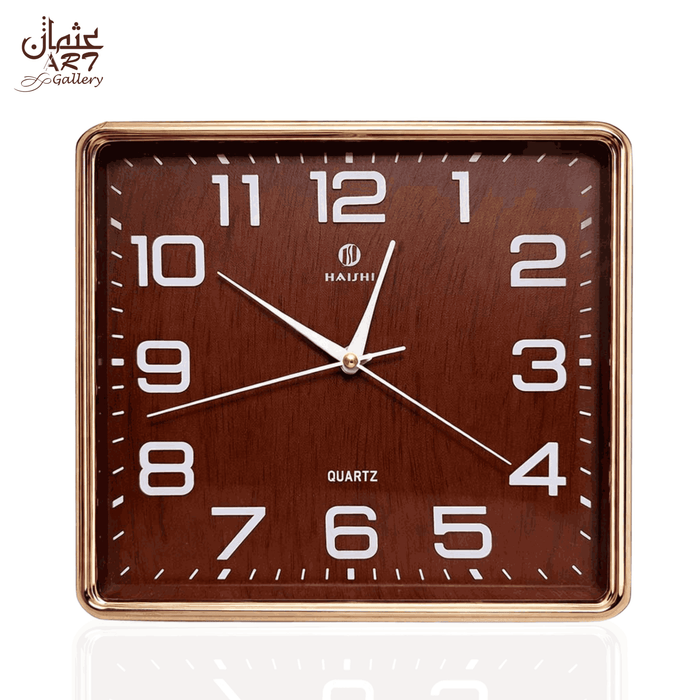
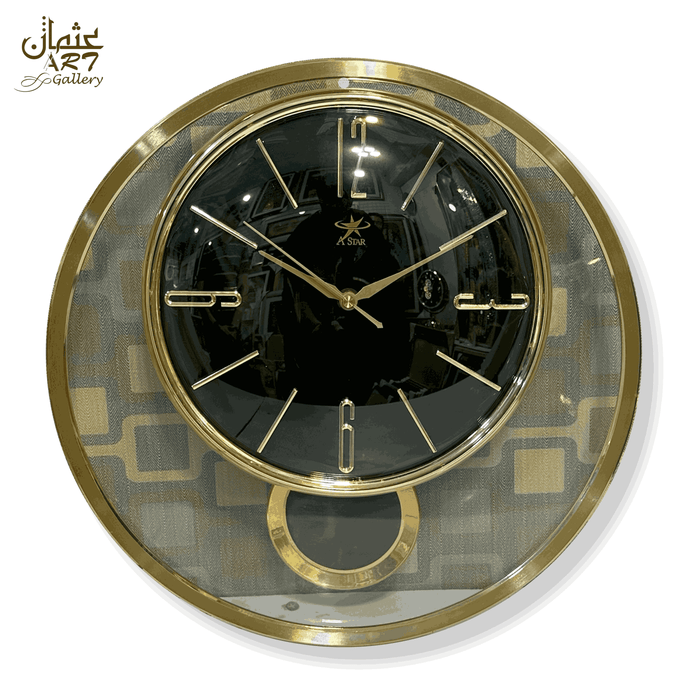
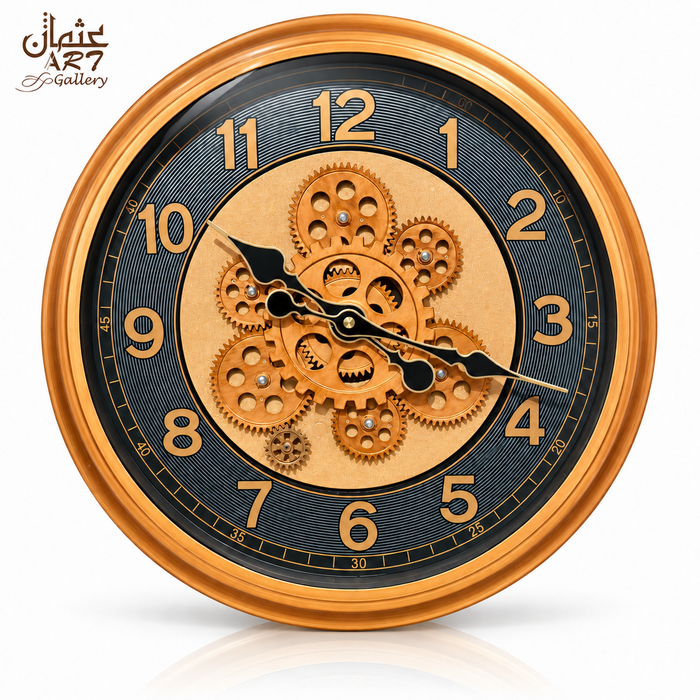
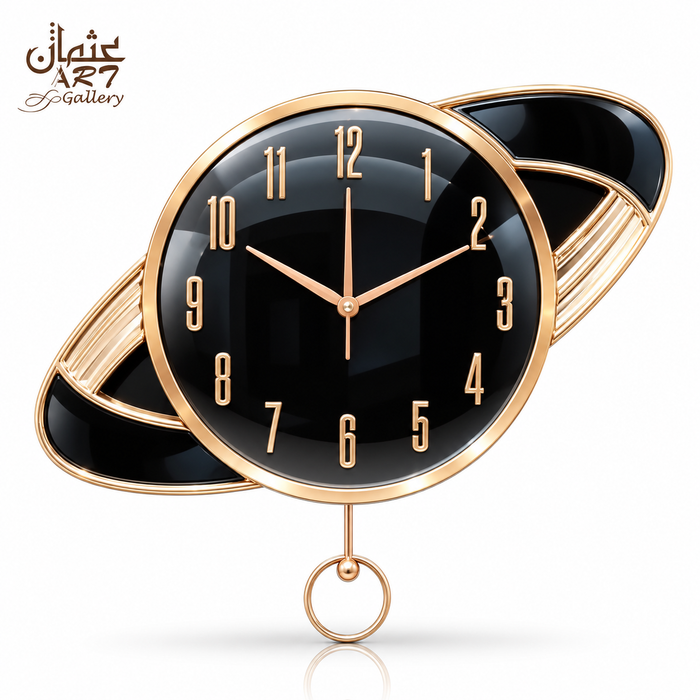
Designer Wall Clocks: Artistic Designs That Transform Empty Walls
There is a particular kind of wall that never quite settles. The furniture is in place, the lighting works, the rug is right — and yet the room feels unfinished. More often than not, the culprit is a large stretch of bare wall that has nothing to anchor it. A painting can help. A mirror can help. But there is one object that does something neither of those can: it gives the wall a reason to exist in the present moment, tick by tick.
That object is the designer wall clock.
Unlike a standard clock bought purely to tell the time, a designer wall clock is created with the same intent as a piece of art — considered proportions, deliberate materials, and a visual identity strong enough to hold its own on an empty wall. It does the practical job of timekeeping while quietly doing the harder job of making a room feel composed. This guide walks through what actually makes a clock "designer," how to choose one that suits your space, and how to use it to solve the empty-wall problem for good.
What Are Designer Wall Clocks?
A designer wall clock is a wall clock created primarily as a piece of decorative design, with timekeeping built into that design rather than the other way around. Ordinary wall clocks are engineered for function first — a round face, printed numbers, a plastic frame. Designer clocks reverse the priority: the form, material, and craftsmanship are considered first, and the mechanism is fitted to support that form.
This shows up in a few consistent ways:
- Materials that carry visual weight — resin, cast metal, wood, glass, or mixed-material construction rather than plain plastic.
- Proportions built for a wall, not a shelf — bolder scale, more considered negative space around the face.
- A distinct visual identity — a shape, texture, or motif that could stand on its own as wall art even without the hands moving.
- Finishing that reads as intentional — brushed metal, matte resin, textured surfaces, sculptural elements around the dial.
The best designer clocks manage to do two things that are often in tension: they remain genuinely easy to read, and they look like they were chosen for the room rather than picked up as an afterthought. A clock that sacrifices readability for looks eventually gets ignored; one that sacrifices design for pure function blends into the wall and does nothing for the space.
Why Designer Wall Clocks Are More Than Timekeeping Devices
Most homes already have a way to check the time — a phone, a watch, an oven display. So why does the wall clock still matter? Because its real job in a well-designed room isn't timekeeping at all. It's serving as a visual anchor.
A wall without a focal point tends to feel flat, even if every other element in the room is well chosen. The eye has nothing to land on, so it drifts. A well-placed designer wall clock gives the eye somewhere to rest, and everything else in the room organizes itself around that point almost automatically — furniture placement starts to feel intentional, symmetry becomes easier to read, and the wall stops feeling like an afterthought.
This is also why a single strong designer clock can sometimes do the work that three or four smaller decorative objects were failing to do. Scattering small items across a large wall often increases visual noise without adding cohesion. One confident, well-scaled piece frequently reads as more finished than a cluttered arrangement, because it gives the wall a single, clear idea instead of several competing ones.
Designer Wall Clocks as Wall Art
The line between "clock" and "wall art" has largely disappeared in modern interior design, and designer clocks are a big part of why. A wall art clock is designed so that the clock function is almost secondary to its role as a sculptural or graphic object on the wall.
This shows up through:
- Sculptural forms that extend beyond a simple circular face, using layered or three-dimensional elements.
- Unconventional dials — open frames, exposed mechanisms, or asymmetric number placement instead of a traditional printed face.
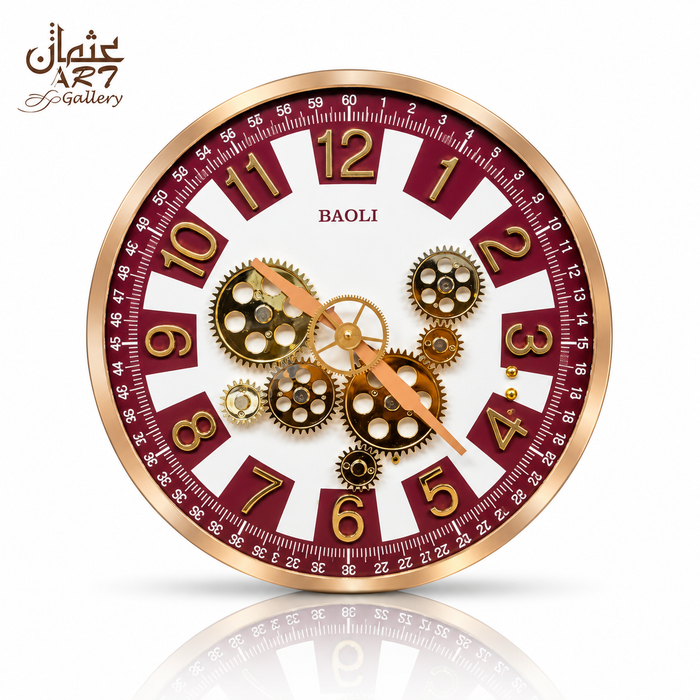
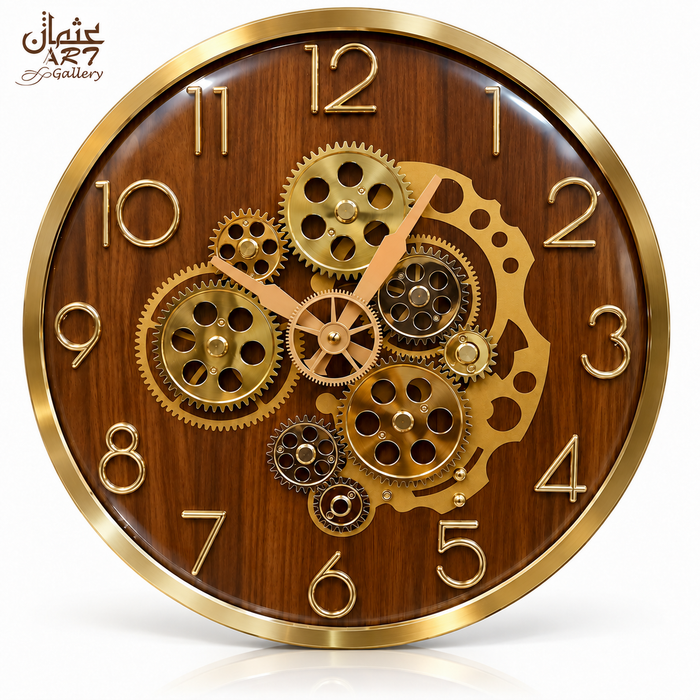
- Gear-inspired designs, where visible or decorative gear motifs give the piece an industrial, mechanical character that reads as art even from across the room.
- Metallic accents and resin artistry, where the surface finish itself becomes part of the visual story, catching light differently depending on the time of day.
- Layered or textured compositions that create depth, so the clock casts subtle shadow and shifts appearance depending on the angle it's viewed from.
For interiors that benefit from texture and sculptural detail, a resin wall clock can function as both a practical timepiece and a decorative focal point, since resin takes detail and dimension in a way flatter materials often can't.
Popular Designer Wall Clock Styles
Designer clocks aren't a single category — they span several distinct aesthetics, each suited to different interiors.
Modern Designer Wall Clocks
Modern clocks lean on clean lines, restrained color palettes, and simple geometric forms. There's rarely excess ornamentation; instead, the appeal comes from proportion and material quality. These work well in interiors that already favor simplicity, where a busier design would compete with the room rather than complement it.
Artistic Wall Clocks
Artistic clocks treat the clock face as a canvas. Shape, color, and craftsmanship take priority, and the numbers or hands are often integrated into a larger visual composition rather than sitting on top of it. These suit rooms that already lean expressive, where the clock is meant to be noticed rather than blend in.
Luxury Wall Clocks
Luxury designer clocks are defined less by size and more by the level of detail in their construction — considered finishes, refined proportions, and materials that read as premium up close as well as from across the room. They tend to suit interiors where other elements (furniture, lighting, finishes) are already at a similar tier, so the clock doesn't feel out of place.
Decorative Designer Clocks
Decorative clocks are designed primarily as a visual feature, with the timekeeping function present but clearly secondary. These are a strong option for anyone who wants a piece that reads first as art and second as a clock — useful when the wall itself is the priority, such as a feature wall in a living room or entryway.
Gear-Inspired Designer Clocks
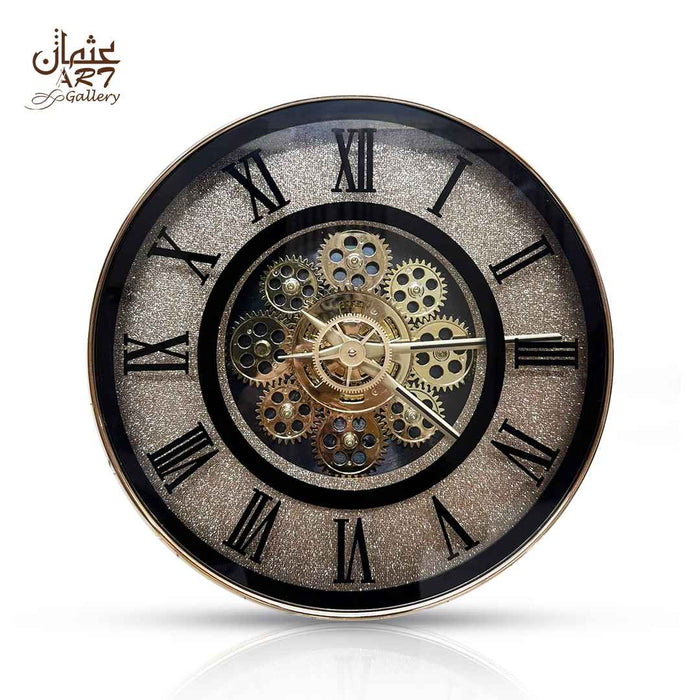
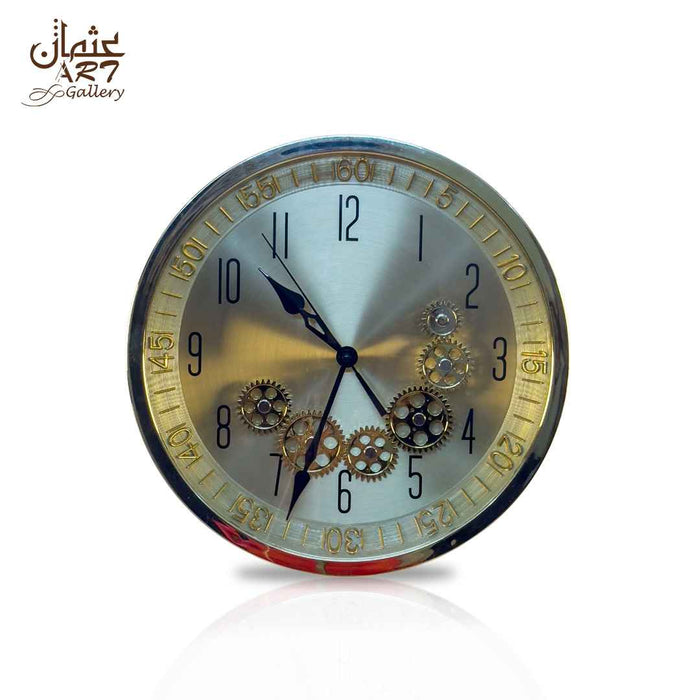
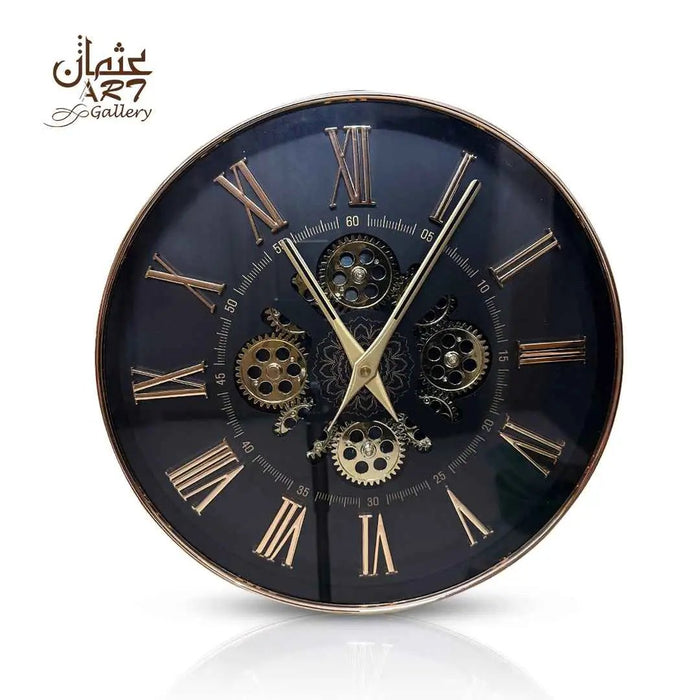
Gear-inspired clocks borrow visual language from mechanical instruments — exposed or decorative gear shapes, layered metal-look elements, and an industrial character. They tend to suit interiors with an industrial, loft-style, or eclectic sensibility, and can also work as a striking contrast piece in an otherwise minimal room. A decorative gear clock illustrates how this motif can be worked into a genuinely wall-art-like composition rather than a purely mechanical-looking object.
Materials and Craftsmanship
Material choice affects far more than durability — it shapes how a clock looks, how it interacts with light, and how well it fits a given interior style.
Resin is popular in designer clocks because it can be molded into sculptural, layered, and textured forms that would be difficult or costly to achieve in other materials. It tends to have a warmer, more artisanal visual quality, and it holds intricate detail well, which is part of why resin pieces are so often used for gear-inspired or textured designs.
Metal brings a cooler, more structured look. Brushed or matte metal finishes tend to suit modern, industrial, and minimalist interiors, and metal generally reads as more substantial when viewed up close, which matters for statement pieces placed at eye level.
Wood adds warmth and a more organic texture. It tends to sit comfortably in transitional, Scandinavian-influenced, or traditional interiors, and pairs naturally with wood furniture and flooring already in the room.
Glass is less common as a primary structural material but often appears as an accent — a cover over the dial, or a layered element that adds depth without adding visual weight.
Mixed-material designs combine two or more of the above — metal frames with resin detailing, for example — to get contrast between texture, color, and finish within a single piece.
None of these materials is objectively "better." The right choice depends on how the clock needs to interact with the rest of the room: a resin piece with heavy texture will read very differently on a smooth, minimalist wall than a slim metal design would, and matching that interaction is part of what makes a designer clock feel chosen rather than default.
How to Choose the Right Designer Wall Clock
Choosing well comes down to a handful of practical considerations, each of which affects how the finished wall will actually look.
Size
What is a designer wall clock's ideal size? There is no fixed number — the right size depends on the wall's width, the furniture beneath it, and how much visual competition already exists nearby. A clock that looks generously sized in a photograph can appear small once it's mounted on a wide living-room wall, and the reverse is true for compact spaces.
As a general approach:
- On a small wall or above a narrow console, a modest clock keeps proportions balanced.
- On a medium wall — a typical bedroom or hallway wall — a mid-sized piece usually reads well without overwhelming the space.
- On a large, largely empty wall, an undersized clock tends to look lost, and a genuinely large designer clock is often the better choice, since its scale gives the wall the visual weight it's currently missing.
Color
Color coordination matters more for clocks than it might seem, because a clock sits at eye level and is viewed for longer stretches of time than most decorative objects. Consider how the clock's finish relates to the wall color, nearby furniture, flooring, and any existing artwork. A clock that shares a tone with the room's accent color tends to feel integrated; one that shares no relationship with anything nearby can feel like it was added rather than chosen.
Shape
Round remains the most common shape, largely because it reads as classically "clock-like" from a distance. Geometric, irregular, and sculptural shapes offer more personality but demand a bit more confidence — they work best when the rest of the wall is relatively simple, so the clock's shape doesn't compete with other strong forms nearby.
Material
As covered above, material should relate to the room's existing textures. A heavily textured resin piece suits a room that already has some tactile variety — layered textiles, natural wood, stone accents. A sleek metal piece suits a room built around smooth, structured surfaces.
Visibility
However striking a clock looks, it should remain genuinely readable from where people actually stand or sit in the room. High contrast between the hands and the face, and numbers or markers that are legible at typical viewing distance, matter more once the clock is mounted than they do in a product photo.
Room Style
Finally, match the clock's overall character to the interior style — modern, minimalist, industrial, luxury, eclectic, or transitional. This is covered in detail in the next section.
How to Style Designer Wall Clocks in Different Rooms
Living Room
The living room is often where a designer clock does its most visible work, since it's usually the room with the largest uninterrupted wall. Popular placements include above the sofa, on a dedicated feature wall, or beside a fireplace. When placing a clock above a sofa, keep it roughly proportional to the sofa's width — a clock that's too small will look adrift above a long piece of furniture, while an oversized one can dominate the seating area. If the wall already has artwork, the clock should either sit clearly apart from it or be intentionally grouped with it, rather than competing at a similar scale nearby.
Dining Room
Dining rooms tend to have more modest wall space, so proportion relative to the table matters. A clock placed above a sideboard or on the wall the table faces can create a natural visual balance, particularly in rooms where the table is the dominant piece of furniture and the walls otherwise feel bare.
Bedroom
Bedrooms generally call for quieter styling. A large, highly ornate clock can feel visually loud in a space meant to feel restful, so a more restrained design — still artistic, but with a calmer palette or simpler form — tends to work better. Readability still matters, particularly for anyone who checks the time on waking, so avoid designs where the hands blend too closely into a busy face.
Entryway
An entryway is often small but high-impact, since it's the first thing anyone sees on entering. A designer clock here can create an immediate focal point that sets the tone for the rest of the home, and because entryways are typically viewed briefly rather than lived in, a bolder, more artistic design tends to work well.
Home Office
In a home office, a designer clock can contribute to a professional, organized feel while remaining genuinely useful for tracking meetings and time-blocked work. A cleaner, modern design generally suits this space better than an elaborate sculptural one, since the room's job is to support focus rather than provide visual drama. Whether a clock meaningfully affects productivity is subjective, but a well-organized, intentionally styled office does tend to feel more functional to the people working in it.
How Large Should a Designer Wall Clock Be?
There's no universally correct size, because the right choice depends on the wall's dimensions, ceiling height, the scale of nearby furniture, typical viewing distance, and how visually busy the surrounding decor already is.
As a rough frame of reference: on a wall that's largely empty and wider than a typical sofa, an oversized designer clock can work well precisely because there's nothing else competing for attention — its scale becomes the room's focal point rather than looking out of place. On a smaller or more furnished wall, a mid-sized clock usually integrates more naturally, since a very large piece would overwhelm the available space. The safest approach is to measure the actual wall, account for furniture beneath it, and picture the clock at roughly a third to half the width of that furniture — a reference point that tends to keep proportions balanced across most room types.
How to Place a Designer Wall Clock
Placement affects the final result as much as the clock itself does. A well-chosen clock hung in the wrong spot can still look off, while a simpler clock hung thoughtfully can look considered.
A few placement principles worth following:
- Eye-level positioning generally reads best in hallways and entryways, where people are standing and moving through the space.
- Above furniture, center the clock relative to the piece beneath it — a sofa, console, or sideboard — rather than centering it on the wall itself if the furniture is off-center.
- Leave clearance around the clock; crowding it too close to shelves, doorframes, or other wall decor makes the whole area feel cramped.
- Consider viewing angles — a clock placed where it's regularly viewed from an angle, such as from a hallway rather than straight-on, should still be legible from that angle.
- Account for architectural features like windows, doors, and built-in shelving, which can compete with or complement the clock depending on placement.
- Coordinate with existing lighting, since some materials — particularly metallic and resin finishes — change appearance noticeably under different light conditions.
Designer Wall Clocks and Gallery Walls
A designer clock doesn't have to stand alone. It can also work as part of a gallery wall, either as the central anchor around which other pieces are arranged, or as one element within a broader mixed display of artwork, photographs, and mirrors.
Used as an anchor, the clock typically takes the largest or most central position, with smaller frames and objects arranged around it in a way that respects its scale. Used as a secondary element, it can add visual interest and asymmetry to an otherwise flat arrangement of framed pieces. Spacing and hierarchy matter most here — a gallery wall reads as intentional when there's a clear visual order to it, and reads as cluttered when every piece competes equally for attention.
For a more detailed walkthrough of composition and spacing, this gallery wall guide with clock layout ideas covers several practical arrangements in more depth.
How to Match a Wall Clock to Your Interior Style
Modern interiors favor clean geometry, restrained color, and minimal ornamentation. A modern clock should generally avoid heavy texture or ornate detailing — a simple, well-proportioned form in a neutral or metallic finish tends to work best. Avoid anything overly decorative, which can feel at odds with the room's simplicity.
Minimalist interiors take this further, favoring the smallest amount of visual information necessary. A minimalist clock is often simpler than a modern one — sometimes without numbers at all, relying purely on form and proportion. Avoid bold color or heavy texture, which can disrupt the calm the room is built around.
Industrial interiors suit gear-inspired and metal-finish clocks particularly well, since exposed mechanisms and raw-material aesthetics align naturally with the room's existing character — brick, metal fixtures, exposed ductwork. Avoid delicate or ornate designs, which can feel mismatched against rougher surfaces.
Luxury interiors call for clocks with refined detailing and premium-reading finishes — considered proportions and quality materials rather than size alone. Avoid anything that reads as mass-produced or overly simple, since it can undercut the room's overall polish.
Contemporary interiors sit between modern and eclectic, often mixing clean lines with the occasional artistic flourish. A contemporary clock can afford a bit more personality than a strictly modern one — an interesting shape or finish — without going fully sculptural. Avoid anything too traditional in character, which can feel dated against contemporary furniture.
Eclectic interiors are the most forgiving, since the room's identity is built on intentional contrast. A bold, artistic, or unconventional clock often works best here — the goal is character rather than restraint. The main thing to avoid is a clock so plain it disappears into a room built around visual interest.
Traditional/transitional interiors suit clocks with a degree of craftsmanship and warmth — wood tones, classic proportions, and finishes that feel timeless rather than trend-driven. Avoid highly industrial or ultra-minimal designs, which can feel out of step with the room's more classic furnishings.
For a broader walkthrough of premium and luxury-leaning selections specifically, this luxury wall clock guide goes into more detail on finishes and proportions at that tier.
Designer Wall Clocks for Empty Walls
The instinct when facing an empty wall is often to add more — another frame, another shelf, another small object. But the wall is not necessarily missing decoration; it may be missing the right focal point.
A wall with several small, evenly scattered items can end up feeling busier and less resolved than a wall with one well-chosen piece. That's because small objects rarely establish a clear visual hierarchy — the eye doesn't know where to settle, so the wall reads as unfinished even though it's technically "decorated." A single designer wall clock, sized appropriately for the space, solves this differently: it gives the wall one clear idea, and that clarity is often what was actually missing.
Evaluating an empty wall well means looking at scale (how big is the available space, really), negative space (how much bare wall should remain around whatever you place there), balance (does the wall need to be centered or does an asymmetric placement suit the room better), and contrast (does the wall need a piece that stands out from its surroundings, or one that blends more quietly into them).
How to Create a Statement Wall With a Clock
Turning a bare wall into a considered statement wall is a fairly linear process:
- Identify the wall. Choose the wall that genuinely needs a focal point, rather than the first available empty space.
- Measure available space. Note the full width and height, along with the position of any furniture, doors, or windows nearby.
- Determine the visual focal point. Decide where the eye should naturally land — usually roughly centered above furniture, or at eye level in an open hallway.
- Consider furniture beneath or beside it. The clock's scale should relate to that furniture rather than being chosen in isolation.
- Select clock scale. Use the wall and furniture measurements to judge whether a mid-sized or genuinely large designer wall clock fits best.
- Choose color and finish. Match or intentionally contrast with the wall color and nearby materials.
- Consider surrounding artwork. Decide whether the clock stands alone or becomes part of a broader arrangement.
- Install carefully. Confirm level placement and appropriate mounting hardware for the clock's weight and material.
- Evaluate the finished composition. Step back, view it from where the room is actually used, and adjust if the balance feels off.
Designer Wall Clocks vs Ordinary Wall Clocks
| Factor | Ordinary Clock | Designer Wall Clock |
|---|---|---|
| Primary role | Timekeeping | Timekeeping + decor |
| Visual impact | Usually limited | Often higher |
| Materials | Functional | Design-focused |
| Styling | Basic | More intentional |
| Focal-point potential | Lower | Higher |
| Interior integration | Functional | Decorative |
This isn't a case where one option is automatically better than the other in every situation. An ordinary clock is perfectly reasonable in a utility space — a laundry room, a garage, a workshop — where visual impact simply isn't the priority. A designer wall clock earns its higher price and more considered design specifically in spaces where the wall itself is part of the room's visual story: living rooms, entryways, dining rooms, and other spaces guests actually spend time in. The right choice depends on what the wall — and the room — actually needs.
If you want a broader comparison across all the criteria that matter when shopping for any wall clock, not just designer pieces, this wall clock buying guide covers the fundamentals in more depth.
What to Look for Before Buying
Before purchasing, it's worth checking a clock against a practical list of criteria rather than relying on the product photo alone:
- Dimensions — confirm the actual diameter or height/width, not just a general size category.
- Materials — check what the clock is actually made from, and whether that suits the room's other textures.
- Construction quality — look for clear detail in product photography rather than assuming quality from a distance.
- Mechanism — confirm whether it's a standard quartz movement or something else, and how quiet it is if that matters to you.
- Readability — check contrast between hands, markers, and background.
- Hand visibility — some artistic designs prioritize form over hand contrast, so confirm this suits your needs before buying.
- Finish — matte, glossy, brushed, or textured — each behaves differently under different lighting.
- Installation requirements — check what mounting hardware is included or required, particularly for heavier materials like metal or resin.
- Power requirements — confirm battery type and any specific requirements listed on the product page.
- Maintenance needs — some finishes require more careful cleaning than others.
- Room suitability — reconsider scale and style against the actual wall it's going on.
- Warranty and returns — check the specific policy listed on the product page, since this varies by retailer and product.
- Seller credibility and product photography — look for clear, honest photos rather than heavily staged or edited images.
Where any of this information isn't clearly listed, it's worth checking the specific product page directly rather than assuming — accurate dimensions and materials matter more for a wall-mounted decorative piece than for most other home purchases, since it can't easily be swapped out once installed.
Featuring a Few Designer Options
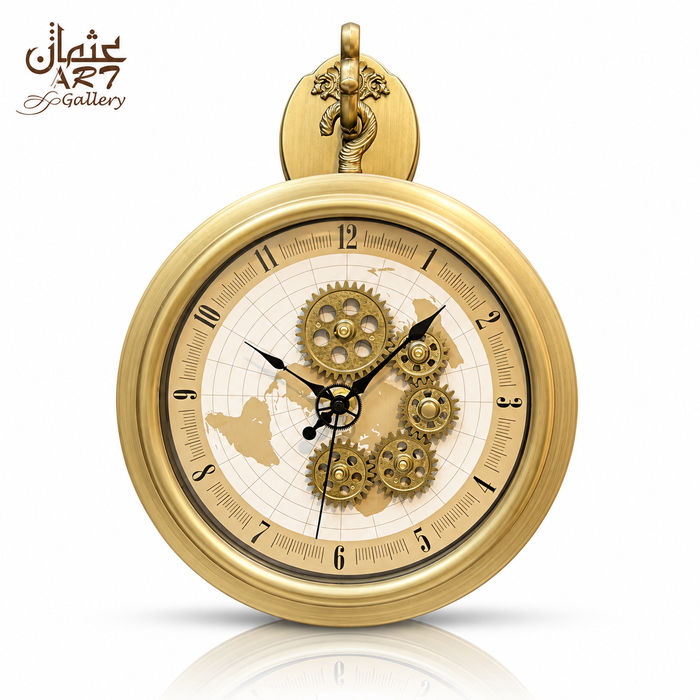
A handful of examples illustrate how these principles show up in real products. For interiors that suit a more textured, artistic look, a resin gear clock with a sparkle dial combines the sculptural quality of resin with a gear-inspired motif, making it a strong fit for eclectic or industrial-leaning rooms that want a genuine statement piece. For a design that leans into a specific visual theme, a map-inspired gear clock merges cartographic detail with mechanical form — a distinctive option for a study, office, or any room where the clock is meant to spark conversation rather than blend in quietly. As always, confirm exact dimensions, materials, and mechanism details on each product page before purchasing, since these specifics vary by design.
Maintaining a Designer Wall Clock
Decorative clocks generally need less maintenance than most furniture, but a few habits keep them looking their best over time. Dust regularly with a soft, dry cloth, paying attention to textured or sculptural surfaces where dust tends to settle in crevices. Avoid harsh chemical cleaners on resin or painted finishes, since these can dull or discolor the surface over time. If the clock is battery-powered, replace batteries as needed to keep the mechanism running smoothly and avoid any drag on the hands. For metal finishes, occasional gentle polishing can help maintain shine, though it's worth checking the specific material's care recommendations rather than assuming one method suits every finish.
Designer Wall Clocks and Local Considerations
For anyone shopping for wall decor within Pakistan, a few additional considerations tend to matter alongside general design principles — local home sizes and layouts, common interior preferences, and practical factors like confirming product dimensions and delivery details before ordering online. If you're weighing options specifically with these factors in mind, this guide on choosing premium wall clocks in Pakistan walks through those considerations in more detail.
Staying Current With Design Trends
Interior trends shift gradually, and wall clock design shifts along with them — new finishes, new motifs, and new proportions move in and out of favor much like other decor categories. For a look at where designer clock styling is currently headed, this rundown of modern wall clock trends covers the shapes, materials, and finishes gaining the most attention right now.
Frequently Asked Questions
What is a designer wall clock? A designer wall clock is a clock created primarily with decorative design in mind — considered materials, proportions, and finishing — while still functioning as an accurate, readable timepiece. The design comes first, and the mechanism is built to support it.
Are designer wall clocks considered wall art? Many are. Clocks with sculptural forms, unconventional dials, or artistic finishes are often chosen specifically for their visual impact, functioning as wall art that happens to also tell time.
How do I choose the right size wall clock? Base it on your wall's actual dimensions and the furniture beneath it, rather than a fixed rule. On a large, empty wall, a bigger clock generally reads better; on a smaller or more furnished wall, a mid-sized piece tends to look more balanced.
Where should I place a designer wall clock? Common placements include above a sofa or console, at eye level in hallways and entryways, or centered on a dedicated feature wall. Center it relative to nearby furniture rather than the wall alone if that furniture is off-center.
What type of wall clock works best in a living room? It depends on the room's scale and style, but living rooms often suit a mid-to-large clock placed above the sofa or on a feature wall, since this tends to be the room's largest uninterrupted wall space.
Can a wall clock replace artwork? In many cases, yes. A well-chosen designer clock can function as the sole focal point on a wall, particularly when its design leans more toward artistic form than simple functionality.
Are large wall clocks suitable for small rooms? Sometimes, if the wall itself is large relative to the room. What matters most is the proportion between the clock and the specific wall it's placed on, not the room's overall size.
How do I match a clock with my interior design? Look at your room's dominant style — modern, minimalist, industrial, luxury, eclectic, or transitional — and choose a clock whose material, finish, and level of ornamentation align with that style rather than competing against it.
What materials are commonly used for designer wall clocks? Resin, metal, wood, glass, and mixed-material combinations are all common, each bringing a different texture, visual weight, and interaction with light.
How do I style a designer clock on an empty wall? Measure the wall, judge the appropriate scale relative to any nearby furniture, and choose a clock that gives the space a clear single focal point rather than adding to visual clutter.
What should I check before buying a wall clock? Confirm actual dimensions, materials, mechanism type, and installation requirements on the specific product page, since these details vary between designs and aren't always obvious from photos alone.
Where can I find modern artistic wall clocks? Retailers specializing in home decor typically carry dedicated collections. WeDecorators' designer wall clock collection brings together a range of modern and artistic styles in one place.
Bringing It All Together
A designer wall clock earns its place on a wall the same way a good piece of art does — through proportion, material, and a clear sense of purpose. It solves the empty-wall problem not by adding more to the room, but by giving the eye one confident place to land. Getting there means thinking through scale relative to the actual wall, choosing a material and finish that genuinely relates to the room around it, and placing the piece with enough care that it looks intentional rather than incidental.
Whether the goal is a quiet, minimal accent or a bold sculptural statement, the right designer clock does double duty — telling the time and finishing the room at once. If you're ready to see how these principles translate into real designs, it's worth taking a look at the full designer wall clock collection to find a piece that fits your space.


